
AI Product Video Maker: Creating E-commerce Videos at Scale
A complete guide to AI product video makers for e-commerce. Learn which tools to use, how to create effective product videos, and strategies for scaling video content across your catalog.
Product videos drive e-commerce conversion, but creating videos for large product catalogs has been prohibitively expensive. AI product video makers change this equation, enabling teams to generate product videos at scale without traditional production overhead. This guide covers how to use these tools effectively.
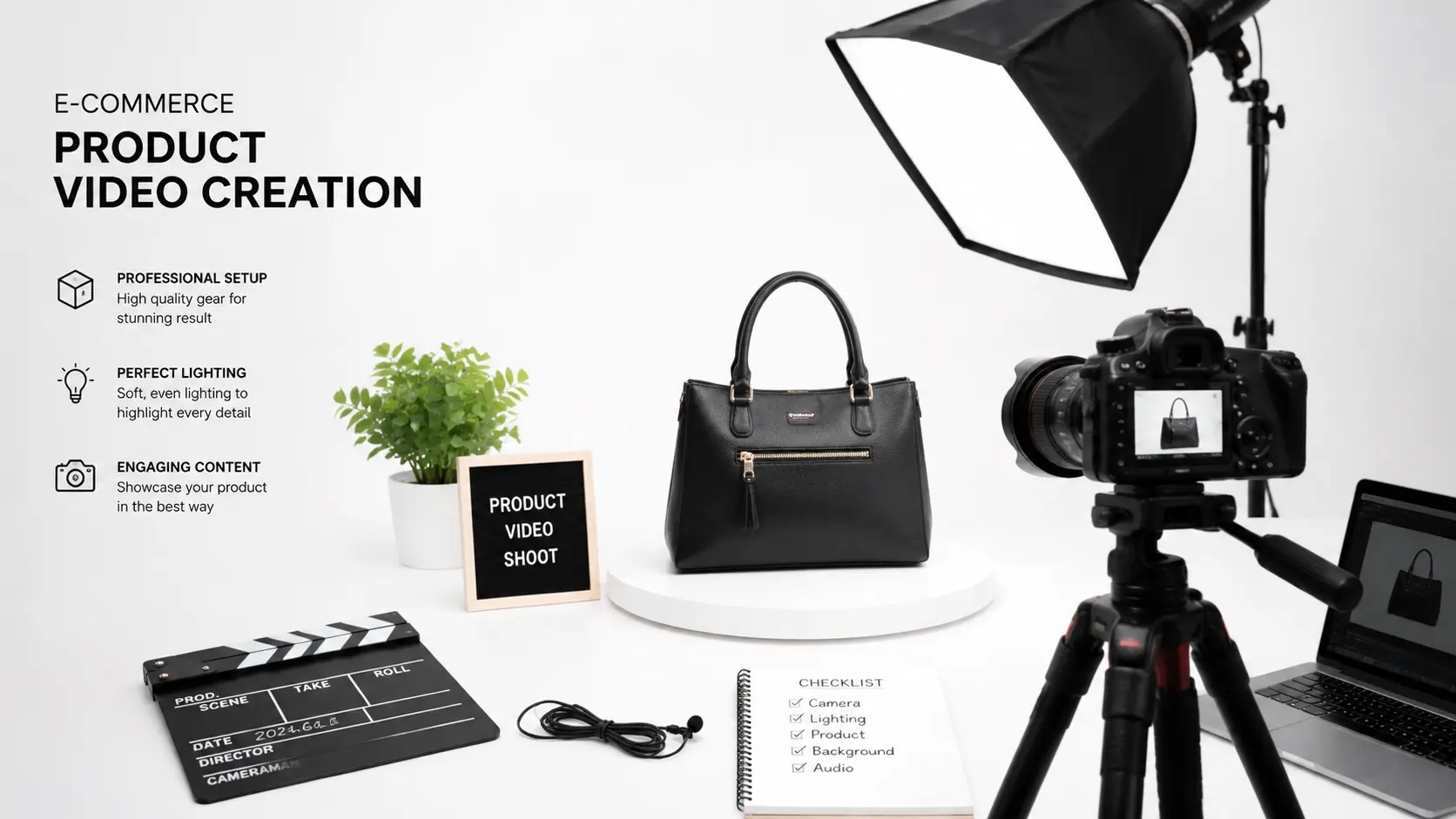
What AI product video makers do
AI product video makers create videos from product images, descriptions, and specifications. Some tools animate static product photos with motion effects, zooms, and transitions. Others generate complete videos with AI presenters explaining product features, benefits, and use cases. The most advanced platforms combine both approaches.
Input varies by platform. Some require only product images and basic text. Others need detailed specifications, script copy, and creative direction. Output quality correlates with input quality: better product photography and more complete information produce better videos.
Types of product videos you can create
Product showcase videos highlight features and aesthetics through motion graphics applied to product images. These work well for visual products where appearance drives purchase decisions. Fashion, home decor, and consumer electronics are strong use cases.
Explainer videos use AI presenters to walk through product benefits, use cases, and specifications. These suit complex products where understanding drives purchase decisions. Appliances, software, and specialty products benefit from this format.
Social media format videos adapt product content for TikTok, Instagram Reels, and YouTube Shorts. These short-form videos prioritize hook strength and visual impact. They work for impulse purchases and trend-driven products.
Choosing the right tool
Evaluate tools based on your product catalog size, video format needs, and quality requirements. Large catalogs benefit from tools with batch processing and automation features. Social media focus requires native format support and hook optimization features. High-value products justify premium tools with better output quality.
Consider integration with your existing workflow. Tools that connect to product feeds, CMS platforms, or ad systems reduce manual work. The best tool fits into your process rather than requiring a new workflow around it.
Creating effective product videos
Start with high-quality product images. AI video generation cannot fix poor source photography. Use clean, well-lit images with consistent backgrounds. Multiple angles provide material for longer videos with visual variety.
Structure videos with a clear hierarchy: lead with the most compelling benefit, show proof through demonstration or detail, and end with clear next steps. Even sixty-second videos benefit from this structure. Random feature lists without hierarchy confuse rather than persuade.
Scaling across product catalogs
Prioritize high-value products and high-traffic pages for initial video creation. Use performance data to guide expansion: products with high traffic but low conversion benefit most from video content that can improve understanding and trust.
Create templates for consistent output across similar products. A standardized structure with variable elements for each product reduces creative work while maintaining quality. Templates also ensure brand consistency when generating at volume.
Measuring video performance
Track conversion rate changes for product pages with video versus those without. Watch engagement metrics like video play rate and completion rate to understand how viewers interact with content. Use A/B testing to compare video styles and structures for specific product categories.
Connect video investment to revenue outcomes. If adding product videos increases conversion rate by two percentage points on a page with ten thousand monthly visitors, quantify the revenue impact to justify continued investment. This data also guides which products deserve video priority.
Getting started
Begin with a pilot on your highest-traffic product category. Create videos for ten to twenty products using your chosen tool. Measure performance impact before expanding to the full catalog. This approach builds expertise and validates ROI before major investment.
AI product video makers are now practical tools for e-commerce teams. The technology delivers value for teams that invest in quality inputs, structured templates, and performance measurement. Start small, learn what works for your products, then scale the approaches that prove effective.
How to apply this guide in makeads
Use this guide as a practical checkpoint for planning AI UGC videos, comparing creative angles, and deciding which parts of your workflow should be scripted, generated, reviewed, localized, and tested first.
The most useful next step is to translate the advice into one production brief: define the audience, the opening hook, the proof moment, the actor style, subtitle requirements, and the metric you will use to decide whether a video variant is worth scaling.
Related focus areas for this topic include Product Videos, AI Video, E-commerce, Content Creation. If you are building a campaign library, connect this guide with your pricing assumptions, platform policy checks, and localization plan before creating the final export.