
UGC Video Creation Platforms with AI Avatars Compared: 2026 Pricing & Reviews
An in-depth comparison of AI UGC video creation platforms. We review pricing, AI avatar quality, features, and best use cases for makeads, Arcads, HeyGen, and Synthesia in 2026.
Picking the wrong AI UGC video platform wastes more than money. It wastes testing velocity. Every week spent on a platform that limits batch size, delivers inconsistent avatar quality, or charges surprise fees is a week your competitors are running more ads than you. This guide compares the top AI UGC video creation platforms in 2026 across the metrics that actually matter: pricing transparency, avatar realism, dubbing quality, batch production speed, and campaign integration.
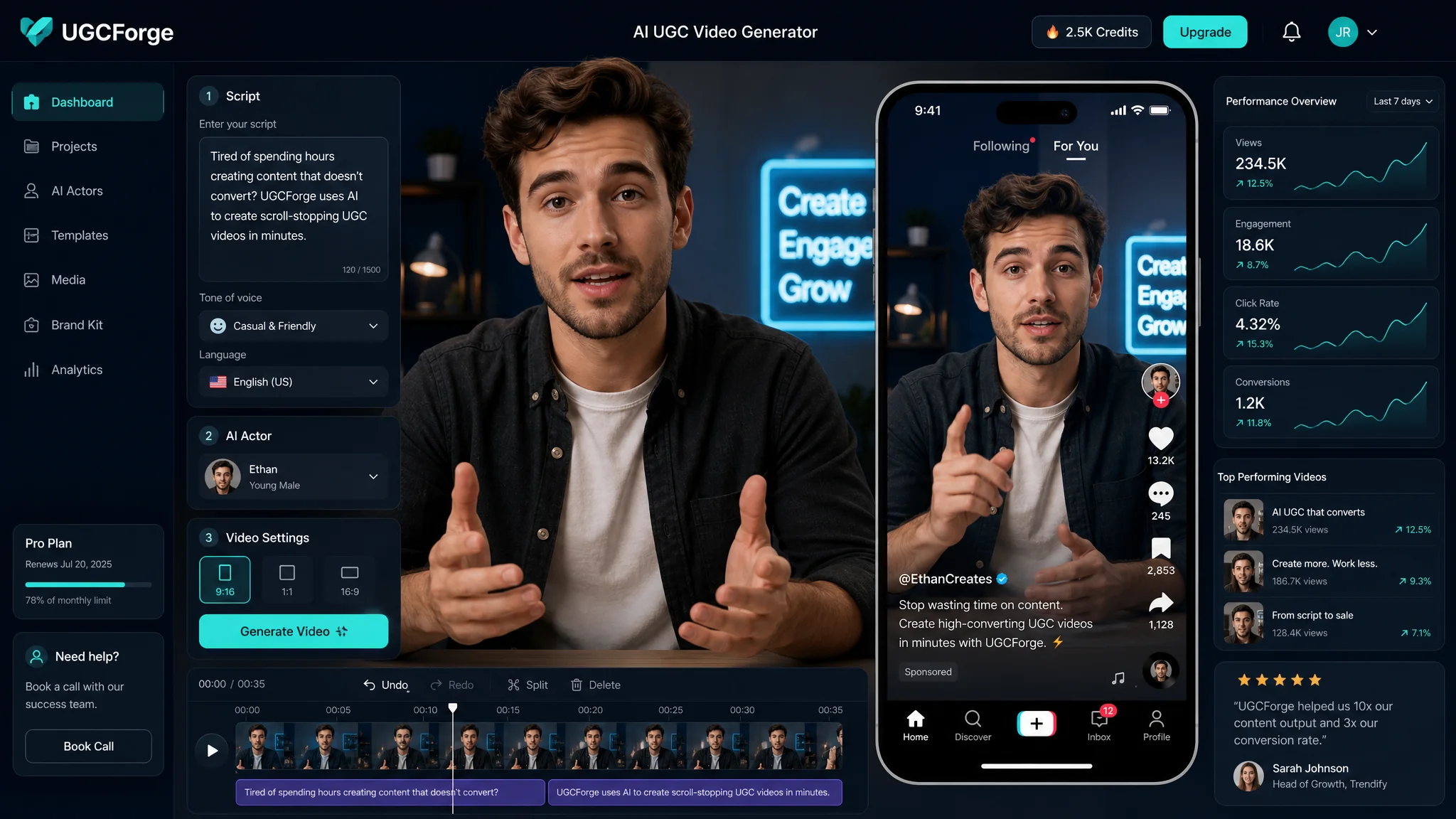
How We Evaluated Each Platform
We reviewed each platform against five criteria that directly affect your ad production output. First, pricing transparency: do the listed prices match the actual cost of producing a month of video ads, or do hidden costs emerge when you scale? Second, avatar quality and variety: do the AI actors look believable across demographics and cultures, or do they trigger the uncanny valley? Third, dubbing and localization: can you reliably produce multi-language versions of the same ad without losing message quality? Fourth, batch production speed: how many video variants can a single user produce in one working session? Fifth, export and publishing integration: does the platform connect directly to your ad accounts, or do you spend half your time downloading and re-uploading files?
MakeAds: Best for Affordable UGC Video Ads at Scale
MakeAds is built specifically for teams that need to produce UGC-style video ads in volume. The platform starts with a free trial tier that includes three video credits, then scales through transparent subscription plans with no per-video surcharges. Compared to competitors that charge by the minute or by the render, MakeAds credit-based pricing gives clear cost predictability: you know exactly how many ads your plan produces before you start.
The avatar library includes over 50 AI actors spanning multiple ages, ethnicities, and presentation styles, from casual peer to authoritative expert. Each actor supports lip-sync generation, so spoken delivery matches mouth movement with minimal uncanny effect. The script editor includes AI-assisted writing suggestions, which speeds up the hook-to-script pipeline when you are creating multiple variations for creative testing.
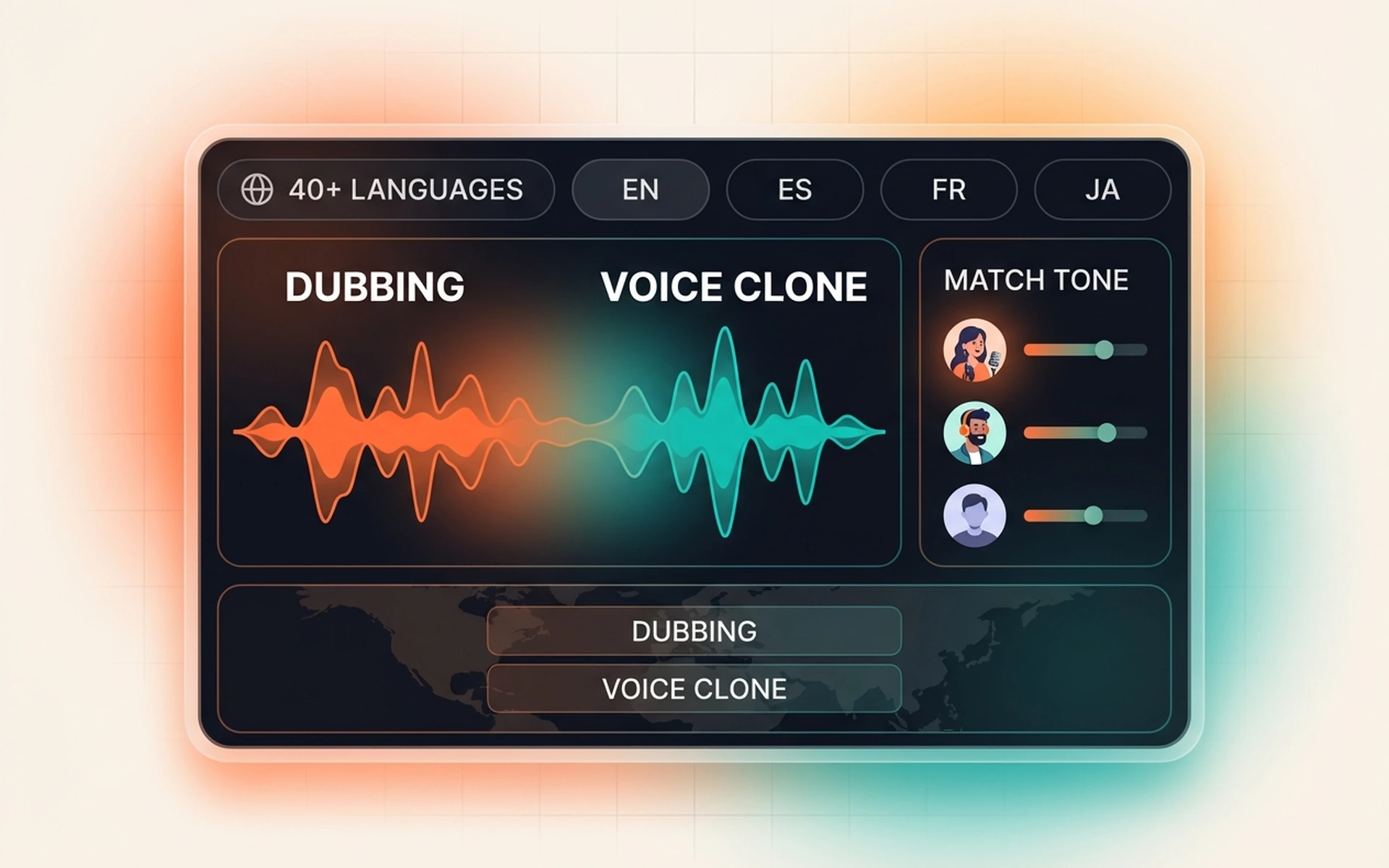
Where MakeAds pulls ahead is multi-language dubbing. A single English script can generate Spanish, German, Portuguese, Japanese, and Arabic versions with dubbed audio, lip-sync, and subtitles in one workflow. For e-commerce brands and agencies running global campaigns, this eliminates the need for separate localization vendors or manual voiceover recording sessions. The platform also supports direct integration with Meta Ads Manager, TikTok Ads, and Google Ads, so finished videos jump straight into your campaign drafts folder.
Arcads.ai: Strong for Direct Response Ads
Arcads.ai focuses on direct-response video ads, with a heavy emphasis on Facebook and Instagram performance marketing. The platform provides pre-built templates for common ad angles like problem-solution, testimonial-style, and product demo. Avatar quality is solid, with a smaller but well-curated library of presenters who deliver energetic, sales-oriented performances that suit conversion campaigns.
Where Arcads fits best is for DTC brands running aggressive Meta campaigns. The platform optimizes video pacing, hook structure, and visual overlays specifically for mobile feed ads. If your primary channel is Facebook and your primary metric is CPA, Arcads delivers purpose-built creative. The downside is limited dubbing support and a narrower avatar range compared to multi-purpose platforms like MakeAds. If you need German, Arabic, or Japanese versions of your ads, you will likely need another tool for localization.
HeyGen: Top Avatar Quality, Premium Pricing
HeyGen delivers the highest visual fidelity among AI avatar platforms, with photorealistic presenters and smooth lip-sync that rivals professionally shot footage. The platform supports custom avatar creation, allowing brands to build a virtual spokesperson from a short video recording. For enterprises that want a single consistent face across all video content, this feature is valuable.
HeyGen integrates with Canva for template-based editing and supports over 175 languages for translation. However, pricing sits at the premium end of the market. Monthly plans start higher than most competitors, and per-minute render costs can add up quickly when you produce multiple ad variations per week. For small to mid-size brands running weekly creative tests with 10 to 20 variants, the cost multiplier may be hard to justify compared to platforms with flat-rate credit models.
Synthesia: Enterprise-Grade, Highest Price Point
Synthesia targets enterprise video production with custom avatars, voice cloning, and full brand kit integration. The platform supports SCORM and LMS export for training content, making it the go-to choice for internal communications and e-learning alongside marketing use cases. Video quality is excellent, and the avatar library includes professional presenters suitable for corporate and B2B contexts.
For ad production specifically, Synthesia is the most expensive option in this comparison. Enterprise plans require custom quotes, and the workflow is designed for longer-form content, not rapid short-form ad testing. If your use case is producing polished brand commercials or internal training videos at scale, Synthesia makes sense. If your need is affordable weekly UGC ad production with fast turnaround, platforms like MakeAds offer better speed-to-cost ratios.
Pricing Comparison at a Glance
Here is how the four platforms compare on cost for a typical weekly ad testing cycle of 10 to 15 short-form video variants:
- MakeAds: credit-based subscription plans with free trial. Predictable monthly cost with no per-render fees. Multi-language dubbing included in plan credits. Best cost-per-variant for teams producing 20 or more ads per month.
- Arcads.ai: mid-range subscription with limits on render minutes. Strong value for Meta-focused DTC brands. Localization features are limited, so global campaigns may need a secondary tool.
- HeyGen: premium per-seat pricing with per-minute render costs. Best avatar quality in the market. High cost-per-variant for teams running weekly ad testing at volume.
- Synthesia: enterprise-only pricing with custom quotes. Suitable for large organizations with internal video production teams. Not designed for rapid short-form ad iteration.
Free vs Paid UGC Video Creation Tools: What to Expect
Several AI avatar tools offer free tiers, but they come with significant production limits. Free plans typically cap video length at 30 seconds, restrict avatar selection to a handful of options, and add watermarks to exported videos. For testing the concept of AI UGC before committing to a paid subscription, these free tiers serve a useful discovery purpose. For actual ad campaigns, free tiers are not viable because the watermark policy and limited export quality undermine ad credibility.
The most practical entry point is a platform with a transparent free trial that gives you enough credits to produce three to five real videos with watermark-free exports. This lets you run a genuine creative test on a live campaign before deciding whether to upgrade. MakeAds follows this model, offering a free trial with full-feature access and watermark-free exports, so you can evaluate real ad performance rather than just preview what the tool can do.
Affordable Subscription Plans: What Counts as Value
Affordable does not mean the lowest sticker price. It means the lowest cost per publish-ready video variant. A platform charging a lower monthly fee but limiting you to 10 videos per month may actually cost more per video than a platform with a higher monthly fee that produces 50 variants. When comparing subscription plans for UGC video creation tools, calculate your estimated cost per video variant based on your actual weekly output, not just the monthly price tag.
For most e-commerce brands and performance marketing agencies, the sweet spot is a plan that supports 30 to 50 video variants per month, includes multi-language dubbing, and exports watermark-free in formats ready for TikTok, Instagram, Facebook, and YouTube. If a plan cannot deliver all four of those requirements, it will create workflow friction that shows up as slower testing velocity, not just as a line item on your software invoice.
Which Platform Should You Choose?
If you are a DTC brand running Meta-only campaigns and you only need English-language ads, Arcads provides focused templates and solid avatar quality at a reasonable price. If you are an enterprise with a dedicated video team and budget for custom avatars, Synthesia or HeyGen deliver the highest production polish. If you are a growth team, agency, or e-commerce brand that needs affordable multi-language UGC ads at volume with direct ad platform integration, MakeAds strikes the strongest balance of pricing, avatar variety, dubbing capability, and workflow speed.
The bottom line is simple: the best AI UGC video platform is the one that lets you test more creative angles per week without burning your media budget on production costs. Start with a free trial, produce three real ads for an active campaign, and compare the actual cost-per-variant and ad performance before locking into any subscription.
How to apply this guide in makeads
Use this guide as a practical checkpoint for planning AI UGC videos, comparing creative angles, and deciding which parts of your workflow should be scripted, generated, reviewed, localized, and tested first.
The most useful next step is to translate the advice into one production brief: define the audience, the opening hook, the proof moment, the actor style, subtitle requirements, and the metric you will use to decide whether a video variant is worth scaling.
Related focus areas for this topic include AI UGC, Video Platform Comparison, Video Production, Pricing Guide, AI Avatars. If you are building a campaign library, connect this guide with your pricing assumptions, platform policy checks, and localization plan before creating the final export.